NOVAĴOJ KAJ ĜISDATIGOJ
Preventing Ketosis in High-Yielding Dairy Cows
2025-03-10
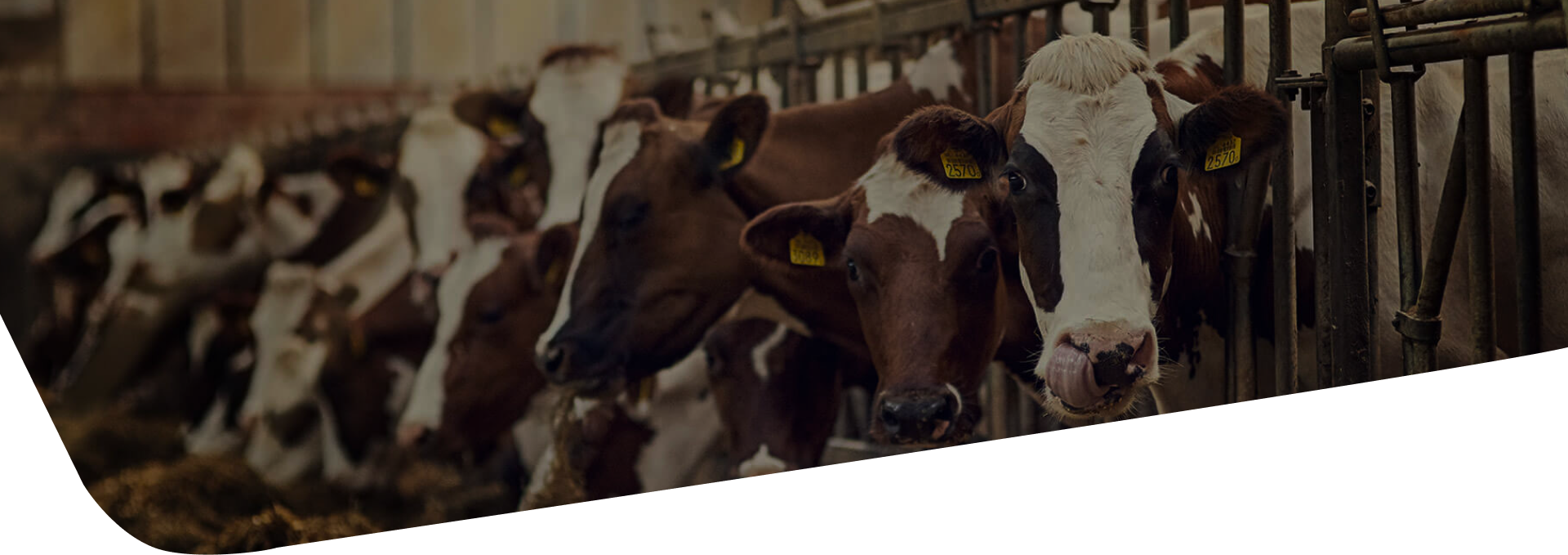
Ketosis remains one of the most significant metabolic challenges facing modern dairy farming, particularly in high-yielding herds during the transition period.
What is Ketosis?
Ketosis occurs when dairy cows cannot meet their energy demands from feed intake alone, particularly in early lactation. The body mobilizes body fat reserves, leading to an accumulation of ketone bodies in the blood.
Risk Factors
●High milk production potential
●Overconditioned cows at calving
●Poor dry matter intake in early lactation
●Inadequate transition period management
●Stress and environmental factors
Prevention Strategies
Nutritional Management
1.Energy-dense diets: Ensure adequate energy density in early lactation rations
2.Propylene glycol supplementation: Products like Energik provide glucogenic precursors
3.Rumen health: Maintain optimal rumen function with buffers like Power Buff
4.Body condition management: Aim for BCS 3.0-3.25 at calving
Monitoring
●Regular milk ketone testing
●Body condition scoring throughout lactation
●Feed intake monitoring
●Milk production tracking
The Role of Energik
GopiMin's Energik is specifically designed to address the energy gap in early lactation. Its unique formulation provides both rapid and sustained energy release, helping to prevent the negative energy balance that leads to ketosis.
Early intervention with appropriate energy supplements can significantly reduce the incidence and severity of ketosis in your herd.